
Consciously Through the Day with Zero Waste

Zero Waste Kitchen – Package-free shopping, foo...
A kitchen without waste sounds almost impossible, doesn't it? Between packaging, food scraps, and single-use products, living truly sustainably seems difficult. Yet, step by step, it is entirely achievable: a...
Zero Waste Kitchen – Package-free shopping, foo...
A kitchen without waste sounds almost impossible, doesn't it? Between packaging, food scraps, and single-use products, living truly sustainably seems difficult. Yet, step by step, it is entirely achievable: a...

Why reusable textiles? 5 simple reasons to star...
If you have been involved with sustainability or zero waste for some time, you have certainly come across the term reusable textiles.
Why reusable textiles? 5 simple reasons to star...
If you have been involved with sustainability or zero waste for some time, you have certainly come across the term reusable textiles.
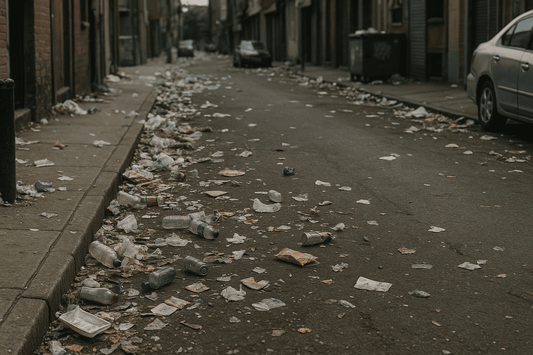
The true cost of waste for the environment, cli...
When I think of trash, the first thing I see is a tissue on the side of the road or a plastic bottle in a stream. Simply thrown away quickly...
The true cost of waste for the environment, cli...
When I think of trash, the first thing I see is a tissue on the side of the road or a plastic bottle in a stream. Simply thrown away quickly...
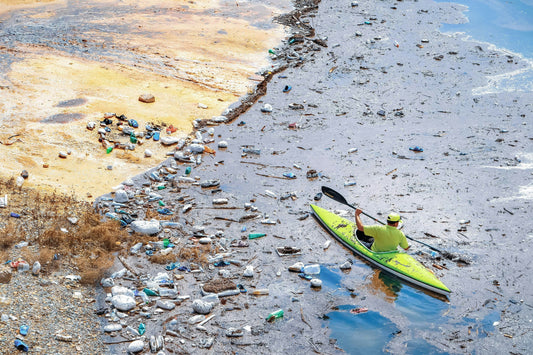
Zero Waste vs. Recycling – Why Waste Prevention...
The topic of waste is more important today than ever: Every day we are confronted with the flood of packaging and single-use products and increasingly have to ask ourselves how...
Zero Waste vs. Recycling – Why Waste Prevention...
The topic of waste is more important today than ever: Every day we are confronted with the flood of packaging and single-use products and increasingly have to ask ourselves how...
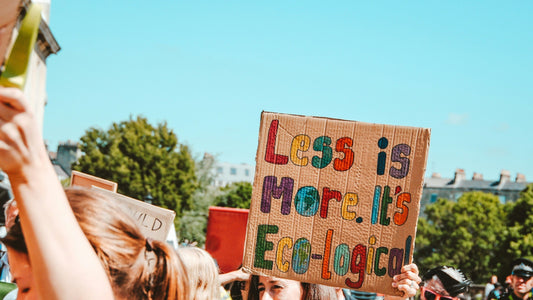
The 5 R's in everyday life – Refuse, Reduce, Re...
The 5 R's – Refuse, Reduce, Reuse, Recycle, and Rot – offer a clear roadmap for effectively avoiding waste and conserving resources in everyday life.
The 5 R's in everyday life – Refuse, Reduce, Re...
The 5 R's – Refuse, Reduce, Reuse, Recycle, and Rot – offer a clear roadmap for effectively avoiding waste and conserving resources in everyday life.
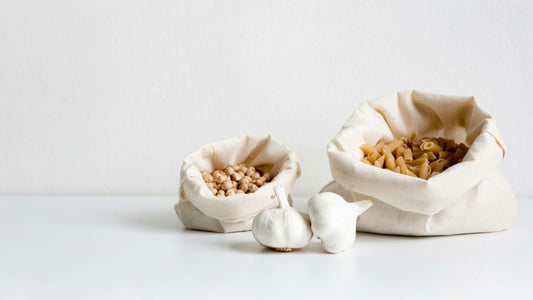
What does Zero Waste mean? – Origin, Definition...
Our modern consumer society is characterized by an abundance of products, wasteful use of resources, and increasing waste generation. This is precisely where the Zero Waste movement comes in, as...
What does Zero Waste mean? – Origin, Definition...
Our modern consumer society is characterized by an abundance of products, wasteful use of resources, and increasing waste generation. This is precisely where the Zero Waste movement comes in, as...