
Zero Waste vs. Recycling – Why Waste Prevention is More Than Waste Separation
Share
The topic of waste is more important than ever today: Every day we are confronted with a flood of packaging and disposable products, and we increasingly have to ask ourselves how we can reduce our waste. The terms "Zero Waste" and "Recycling" come up again and again, especially when it comes to environmental protection. Both concepts are intended to help us reduce the amount of waste and relieve the burden on the earth, but they have different approaches. What exactly is the difference? And why is waste prevention actually much more than waste separation?
In this blog, I want to give you a deeper insight into the world of Zero Waste and Recycling, highlight the similarities and differences, and explain why it is important not only to rely on recycling when it comes to waste prevention, but to focus on avoiding waste altogether.
What is Zero Waste?
Zero Waste is a lifestyle that aims to produce as little waste as possible. This means not only separating or recycling waste, but actually avoiding everything that becomes waste after use. Zero Waste is therefore much more than just the conscious decision to separate and recycle waste. It is a holistic approach that encompasses all areas of life: from product selection to resource use and proper disposal. Zero Waste is based on the so-called "5R strategy":
-
Refuse: Avoid unnecessary things that will only lead to you producing waste later. This includes refusing promotional gifts, disposable packaging, or unnecessary plastic bags.
-
Reduce: Only buy what you really need and pay attention to the durability and quality of products, instead of having to throw them away after a short time.
-
Reuse: Try to use things for as long as possible and, if possible, repurpose them in other contexts.
-
Recycle: If you really can't use something anymore, make sure it is recycled properly.
-
Rot (Compost): Organic waste, such as food scraps, does not belong in the trash, but in the compost, where it turns into valuable humus.
These five principles show that Zero Waste not only means avoiding waste, but also consciously dealing with resources and questioning consumption. It is about breaking the cycles of production and consumption and finding a more sustainable lifestyle.
What is Recycling?
Recycling is the reprocessing of waste materials to create new products. The process can be applied in many areas, from paper and glass to plastic and metals. The goal is to extend the lifespan of materials and thus reduce the need for raw materials for the production of new products.
Recycling certainly has its justification and is an important part of environmental protection. Through recycling, we can reduce the amount of waste that ends up in landfills and at the same time conserve the resources needed to produce new products. But here lies the first problem: recycling is the solution to an avoidable problem.
The problem with recycling is that it is not a complete solution in all cases. The recycling process itself consumes energy, and there are many materials that are difficult or impossible to recycle. Plastic, for example, a material that is theoretically recyclable, often becomes waste in practice because the recycling infrastructure is not yet sufficiently developed, and many plastic products cannot be processed correctly in recycling facilities.
In addition, there are countless products that are simply not recyclable or for which the recycling process consumes too much energy and resources to be considered a sustainable solution. As a result, a significant portion of collected recycling ultimately ends up in incineration or landfills.
Zero Waste vs. Recycling – The Difference
The biggest difference between Zero Waste and recycling lies in the approach. While recycling tries to minimize waste by converting it into new products, Zero Waste goes a step further and tries to prevent any waste from being created in the first place. Instead of just sorting waste after use, Zero Waste aims to prevent the source of the waste.
Recycling is a technique to deal with existing waste, but it does not address the root cause of the problem, namely the excessive production and consumption of disposable products.
Seen this way, recycling is more of a concept that temporarily combats the problem, but does not prevent it from recurring.
Zero Waste, on the other hand, is a life philosophy that opposes the waste of resources and eliminates the source of waste. Zero Waste requires a rethinking of consumer behavior, production processes, and lifestyle habits.
Why is waste prevention more than waste separation?
If we focus exclusively on recycling, we have not really solved the problem. True waste prevention begins much earlier, with the decision to consume anything at all and which products we buy. It's about preventing waste before it even arises. Here, waste separation and recycling are only a small part of the solution.
-
Conscious consumption: The biggest contribution to waste prevention comes from the conscious use of resources. Consuming less and questioning one's own consumption leads to a lower production of waste.
-
Sustainable product selection: When shopping, care should be taken to choose products with minimal packaging, prefer durable items, and use reusable options.
-
Conscious design: Many companies have now jumped on the sustainability bandwagon and offer products that are either reusable or that minimize waste from the outset through their materials and production methods.
-
Avoidance of disposable products: Disposable plastics, single-use items, and products with superfluous packaging are the real culprits. Avoiding these products is key to not constantly having to refill the mountain of waste.
-
Composting and upcycling: Instead of throwing organic waste into the trash, it can be composted. Likewise, old materials can be reused or upcycled so that they do not become waste.
Zero Waste in everyday life – How can you implement it?
Zero Waste is not a goal you achieve overnight. It is an ongoing process in which you can live more consciously and resource-efficiently step by step. Here are some practical tips to integrate Zero Waste into your everyday life:
-
Avoid disposable products: Opt for reusable products such as water bottles, cloth bags, and stainless steel containers.
-
Cook and prepare yourself: Reduce packaged foods by cooking yourself and buying seasonal products.
-
Buy second-hand: Old, used items are often just as good as new, but they don't create additional waste.
-
Refuse promotional gifts and unnecessary advertising: The "Refuse" principle also means not accepting things you don't need and that only tempt you to consume more.
-
Repair instead of throwing away: Instead of throwing away broken things, try to repair them or find a new use for them.
Conclusion
Zero Waste and recycling are both important for reducing waste and protecting the environment. However, the real difference is that Zero Waste is much more than just waste separation. It is a holistic lifestyle that focuses on prevention rather than cure. Instead of collecting and recycling waste, it is about avoiding it from the outset.
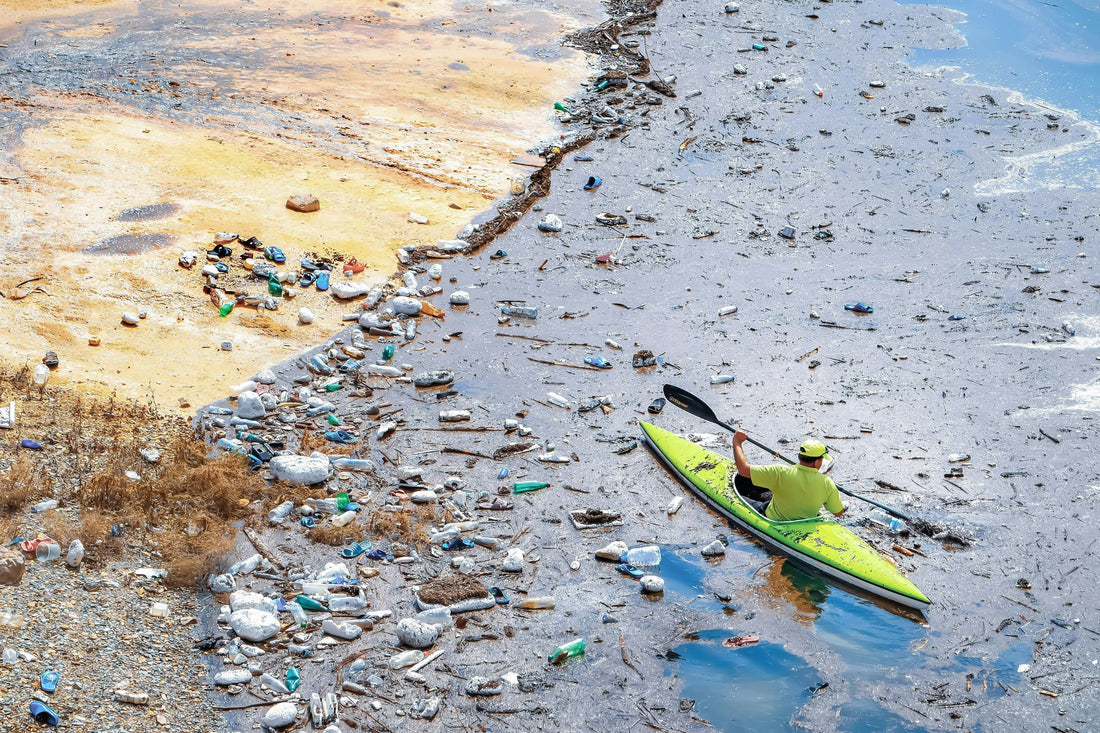
Photo by Fayegh(Shamal) Shakibayi on Unsplash