
The true cost of waste for the environment, climate, and society
Share
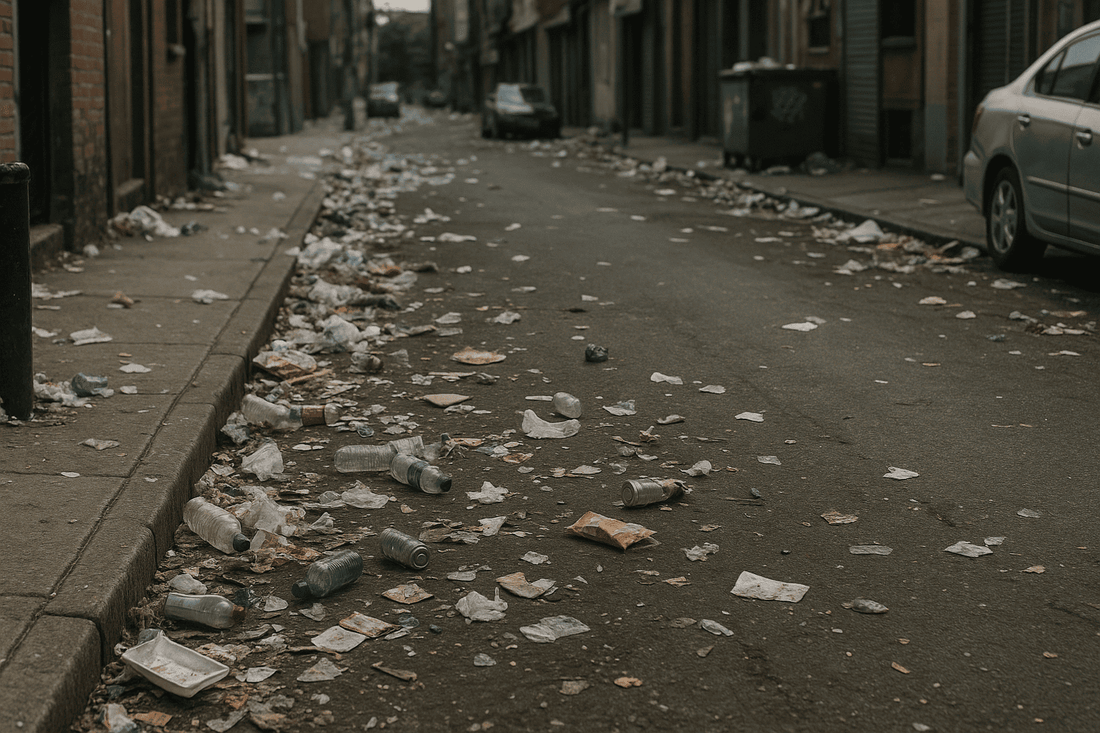
When I think of waste, the first thing I see is a tissue on the roadside or a plastic bottle in a stream. Simply thrown away quickly – that's how we deal with waste in our daily lives. But behind this small moment lies a huge network of consequences: for the environment, for our economy, and for human lives. In this article, I want to show you why waste costs far more than the bin on the street, how these costs are composed, and what we can concretely do, as consumers, as entrepreneurs, and as a society. I write here honestly, without technical jargon, but with the will to explain in depth how much is at stake.
1. Waste is not just garbage
Before we go into detail: waste doesn't just appear. It is the result of production decisions, consumption behavior, and infrastructure. Every packaging, every single-use product, and every non-recycled material was once raw material, human effort, and energy. When this material becomes waste, not only does an object disappear, but also the potential it holds. This sunken potential causes costs: direct costs (disposal, recycling, landfills), indirect costs (environmental destruction, health damage), and hidden social costs (loss of jobs, social injustice).
2. Environmental Costs: The Most Obvious Damages
Climate and Resource Consumption
The production, transport, and disposal of materials generate greenhouse gases. Plastic, for example, is made from fossil raw materials; its production and incineration release CO₂. If materials are not reused or recycled, new material must be produced, which requires a high amount of energy that burdens the climate.
Land and Water Pollution
Waste ends up in rivers, oceans, and fields. Plastic fragmentation creates microplastics that enter food chains. Chemical components from discarded textiles, electronics, or batteries contaminate soils and groundwater. These damages are often irreversible and have long-term effects on ecosystems and biodiversity.
Loss of Biodiversity
Landfills, illegal dumps, and the use of toxic substances in waste disposal destroy habitats. Species slowly disappear from areas where humans store or burn waste on a large scale.
3. Economic Costs: Who Actually Pays?
Direct Expenses
Cities and municipalities spend enormous sums on waste disposal, sorting facilities, and landfills. These costs are ultimately borne by taxpayers. In regions without a functioning waste management system, the costs for cleaning and healthcare increase.
Indirect costs: loss of production and waste of raw materials
When materials are not kept in circulation, the demand for primary raw materials increases. This makes companies dependent on volatile raw material prices and increases production costs. At the same time, potentially usable resources are lost.
External Effects and Hidden Subsidies
Many environmental damages are not reflected in product prices. This means that companies that cause pollution often do not pay the full price for it; instead, society bears the costs in the form of health damage, climate consequences, and remediation costs. These "hidden subsidies" distort the market.
4. Social Costs
Health Burdens
In regions with poor waste management, respiratory illnesses, skin diseases, and other health problems are more common. Burning waste, unsafe landfills, and toxic substances often hit the poorest people the hardest.
Informal Sector: Work, but Often Without Protection
In many countries, people make a living by collecting and sorting waste. This is work that generates income but often under precarious, unhealthy conditions without social security. This is a societal failure: we benefit from recycling and collection chains, but often without providing adequate protection for these people.
Social Injustice
Wealthy societies (Germany) often export waste or shift problems to marginalized regions (Cambodia). This exacerbates global inequalities: environmental burdens are concentrated where political or financial resources are lacking.
5. Making the True Costs Visible
Life Cycle Assessment (LCA)
LCA methods help calculate the total costs of a product from raw material to disposal. This makes visible where the greatest environmental damage and costs arise and where intervention is most effective.
Pricing: internal costs instead of externalization
If companies were to factor external costs, e.g., CO₂ emissions, health consequences, into their prices, the supply would change massively. Products that are resource-intensive would become more expensive, while durable and recyclable products would become more competitive.
Legal Instruments: EPR, Deposits & Bans
Extended Producer Responsibility (EPR) shifts costs back to manufacturers. Deposit systems increase return rates. Partial bans (e.g., single-use plastics) reduce the amount of harmful waste. These measures are effective when consistently implemented.
6. Waste prevention as an economic opportunity
Many people think of zero waste as deprivation. I think of it as an innovation opportunity. If we view waste as a resource, new business models emerge: repair services, sharing models, durable product lines, refurbishing, and upcycling. Companies that rethink early can differentiate themselves and save costs in the long term, because they have to buy fewer raw materials.
Examples of business ideas:
-
Refill stations for cosmetics or cleaning products.
-
Subscription models for reusable everyday items.
-
Take-back programs and closed-loop design.
-
Repair cafes and local workshops.
These models not only save resources, they also create customer loyalty.
7. What each of us can do
As an individual, the problem often feels overwhelming. But many small decisions add up:
-
Buy durable instead of cheap. A well-made bag or a durable kitchen appliance pays off.
-
Choose reusable instead of disposable. Water bottle, shopping bag, food containers.
-
Support local refill and repair services. This keeps value creation in the region.
-
Reduce consumption of heavily packaged products. Minimalism is not deprivation, it is focus.
- Voice your opinion publicly. Drive demand, sign petitions, get active locally.
8. For businesses: Practical measures and benefits
If you are building a brand that takes sustainability seriously, these are meaningful steps:
-
Design for Durability: Design products to be repairable and reusable.
-
Material selection: Focus on recycled or easily recyclable materials.
-
Take-back & Refurbish: Offer buy-back or repair services.
-
Transparency: Show supply chain, material origin, and impact figures.
-
Partnerships: Collaborate with recycling companies, repair cafés, and NGOs.
Benefits: lower material costs in the long run, stronger customer loyalty, better brand perception, and often more favorable regulatory conditions.
9. Policy measures that truly work
Politics has great leverage: regulation, subsidies, standards. Some effective approaches:
-
Extend deposit systems to more types of packaging.
-
Expand EPR and make manufacturers responsible for end-of-life.
-
Investments in recycling infrastructure – modern sorting and processing plants.
-
Promotion of repair and reuse initiatives.
-
Taxes on single-use plastics or on CO₂-intensive material use.
Political measures must be designed to be socially just so that they do not disproportionately burden people.
10. Metrics that show if we are making progress
To measure progress, indicators help:
-
Amount of waste per capita (kg/year)
-
Recycling rate by material
-
Proportion of single-use plastic in packaging waste
-
Number of take-back programs or refill stations
-
CO₂ savings from avoided production
Such key figures help companies and communities set concrete goals and make successes visible.
Waste has a price. We can negotiate it.
The true price of waste is much more complex than the garbage can on the street. It encompasses environmental destruction, economic inefficiencies, and social injustices. At the same time, the topic offers enormous opportunities: for creative entrepreneurs, for municipalities that want to save costs, and for consumers who recognize true value.
Waste is not fate, but a management problem. If we design differently, consume differently, and regulate politically differently, we can save enormous amounts of resources and health and at the same time create a fairer, more resilient economy. Start small: observe your own waste, ask for reusable options the next time you shop, and support brands that take responsibility. Together, these true costs can be reduced.