
10 Creative Products That Can Be Made from Textile Scraps
Share
Why Textile Upcycling is More Than Just Pretty Crafts
Textile remnants are everywhere: cut-off sleeves, off-colors, old shirts with good fabric. Throwing them away is easy; making something new from them is radically creative and helps conserve resources. For a brand, upcycling also means authenticity: every stitch tells a story. If you offer products made from leftover materials, you're not just building a sustainable brand, but also a community that shares values.
1. Makeup Remover Pads — Small, Gentle, and Reusable
Makeup remover pads are great entry-level products for any upcycling brand. Soft remnants like terry cloth, cotton flannel, or old T-shirts can be sewn into soft pads that gently remove makeup and are like new after washing. Three layers are often enough: a fine, soft top layer for face contact, an absorbent middle layer, and a robust backing. You can sew round pads (about 9-10 cm in diameter) and finish them with an overcast stitch or zigzag to prevent them from unraveling in the wash. For marketing, sets with mesh bags for washing are practical, offering a complete user experience.
2. Dishcloths — Robust, Stylish, and Honest
Dishcloths made from textile remnants are a classic of sustainability. Robust remnants such as linen strips, terry towel fabric, or tightly woven cotton fabrics create durable cloths that replace conventional disposable sponges in the kitchen. My tip: combine two sides, a smooth side for gentle wiping, and a rougher side made of knitted or terry remnants for tough dirt. You can vary the size and shape; light weight and quick drying are crucial for purchase decisions. With a small leather or fabric loop detail, the cloths look high-quality and are well-suited as gift sets.
3. Reusable Paper Towels — Practical and Atmospheric
Imagine: a paper towel roll that never runs out. Reusable paper towels consist of several layers of soft, absorbent cotton or linen, sewn into squares and attached to a stylish holder. Textile remnants give each roll an individual pattern. To make them, sew 6-8 squares together and attach them in the middle with a small snap fastener or a slit, so that one sheet can be pulled off at a time. This is not only ecological but also looks really good on the kitchen table. Ideal for content photos.
4. Handkerchiefs — Soft, Personal, Durable
Fabric handkerchiefs made of fine cotton or linen are elegant and significantly more sustainable than disposable paper tissues. Textile remnants with beautiful patterns are perfect for producing handy squares (about 25×25 cm) with a neat rolled hem. Make sure to choose fabrics that are skin-friendly and remain soft after several washes. For your brand, you can offer personalized embroideries or small labels; this builds brand loyalty and makes the handkerchiefs a surprisingly emotional product.
5. Bread Bags — Breathable and Reduces Packaging Waste
Bread bags made from linen or cotton scraps keep bread fresh longer and reduce plastic packaging. They are simple to make: two layers of fabric, a drawstring at the top, possibly an inner pocket for rolls. Linen is particularly suitable because it is breathable and regulates moisture. You can offer different sizes for baguettes, loaves of bread, or rolls and customize them with geometric patterns or screen-printed logos. Such bread bags particularly appeal to customers who live a zero-waste lifestyle or shop at farmers' markets.
6. Tea Bags — Reusable and Aroma-Friendly
Small, reusable tea bags made from cotton muslin or thin linen are great for enjoying loose tea plastic-free at home. Cut small bags (e.g., 8×10 cm), sew three sides, and leave an opening at the top for the tea leaves, which you then close with a simple drawstring. For particularly fine tea leaves, a double-layer design with a more tightly woven inner fabric is recommended. You can sell sets with a small sieve, instructions, or even with a matching refillable tea glass, turning the product into an experience.
7. Coffee Filters — Clean, Ecological, Individual
Reusable coffee filters made of cotton are a great alternative to paper filters. They are washable, avoid waste, and give coffee a different mouthfeel. For production, you cut round or cone-shaped filters, sew the edges, and reinforce the opening so that the filter sits stably. Linen-cotton blends work well; some coffee lovers appreciate the slight oiliness that fabric filters allow. Package filters with care instructions, e.g., how to remove oil residues, and offer different sizes for various filter holders.
8. Glasses Cleaning Cloths — Gentle and Brand-Strong
Old microfiber shirts, fine cotton remnants, or glasses cleaning cloths with soft velvet are ideal for making high-quality glasses cleaning cloths. It is important that the fabric surface is lint-free so that glasses and screens are not scratched. A small, elegant label or an embroidered logo turns the cloth into a brand message that accompanies the customer daily. Glasses cleaning cloths are excellent as an addition to any order; small, useful extras strengthen customer loyalty.
9. Soap Saver Bags — Clever Accessories for Solid Soaps
Soap saver bags (also called soap pouches or soap savers) are practical helpers for using up solid soap remnants while also providing an exfoliating effect. Sewn from slightly rough fabric remnants like jute, hemp, or coarse linen, they transform soap remnants into new applications. A soap saver bag can be designed as a bag with a drawstring, or as a flat cloth with a hanging loop so it can dry in the shower. Recycled fabrics with a natural texture are particularly authentic here and fit perfectly with the natural cosmetics aesthetic.
10. Linen Bags — Robust, Versatile, Iconic
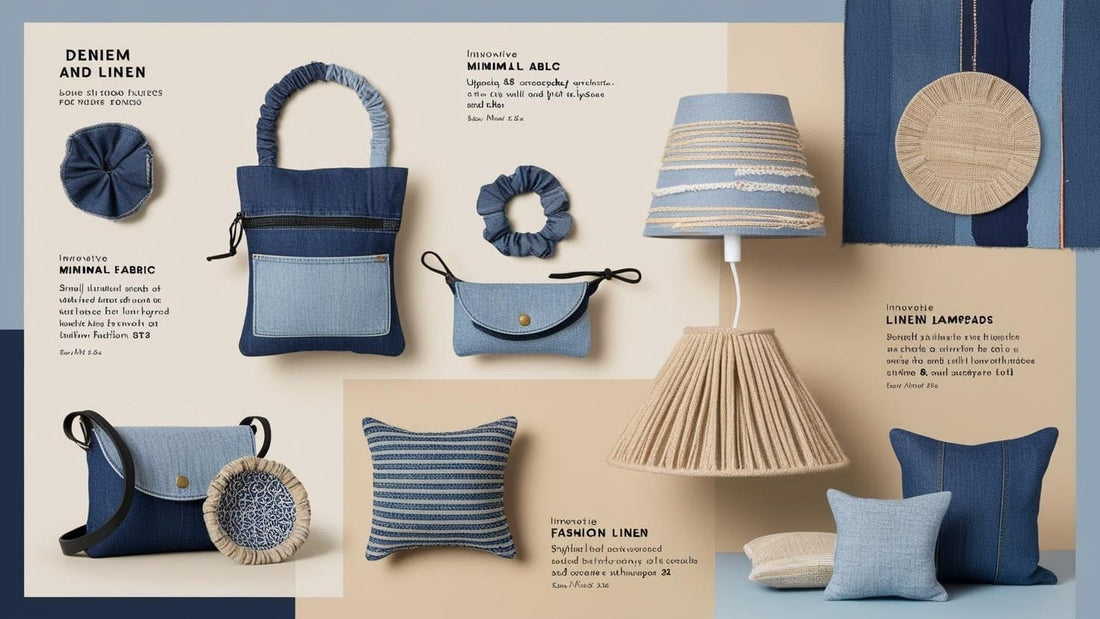
Linen bags are the flagship of many sustainable brands: practical, durable, and simply beautiful. Sturdy bags with long handles can be sewn from larger fabric remnants, e.g., washed linen curtains or old bedsheets. You can offer classic tote bags, but also variations with inner compartments, zippers, or made from patchwork-like assembled remnants. A linen bag with a story (e.g., what material was recycled) becomes emotionally relevant for customers and can be well-narrated on social media.
Materials, Processing, and Practical Tips
Upcycling is not just about the end product, but also about material selection, processing, and care. Choose fabrics according to function: absorbent remnants for makeup remover pads and kitchen rolls, robust woven fabrics for bread bags and pouches. When sewing, pay attention to strong seams, finish edges, and test prototypes before going into mass production. For brand presentation, high-quality finishing pays off: small labels, fair trade statements, care instructions, and packaging made from kraft paper or compostable materials contribute to credibility.
Care instructions are important: tell your customers clearly how to wash the products (e.g., 30–40°C, mild detergent, air drying).
Storytelling: How to Sell Not Just a Product, But a Feeling
As a young brand, storytelling is your greatest asset. Be open about where the material comes from: "Made from the remnants of clothing production in [location]" or "donated from private households." Show making-of photos, short videos of cutting and sewing, and post testimonials—real people using the products. This builds trust and boosts your SEO ranking: long-form content on processes and materials helps Google categorize you as an authority in upcycling.
Product Ideas for Differentiation and Upsell
Combine products into sets: makeup remover pad + wash bag, bread bag + dishcloth, coffee filter + cup. Limited editions made from special fabrics (vintage fabrics, designer remnants) create exclusivity. Collaborations with local soap makers or roasters expand your range and reach, benefiting both parties.
Conclusion — Why You Should Start Today
Textile remnants are not waste; they are material for stories. With simple products like makeup remover pads, dishcloths, or linen bags, you can build a coherent brand world that is sustainable, beautiful, and economical.