
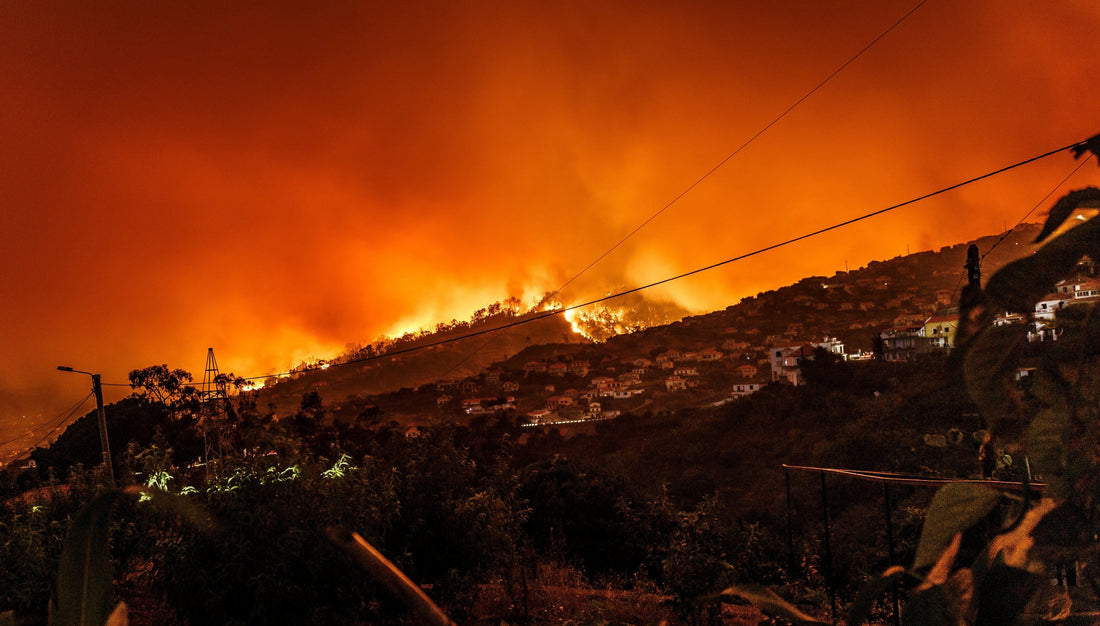
Wildfires: Causes, Consequences, and How We Can Prevent Them
Share
Wildfires are a significant global problem, destroying millions of acres of land each year, damaging ecosystems, and annihilating numerous animal and plant habitats. However, in addition to natural causes such as lightning or volcanic activity, human activities are one of the main causes of these devastating fires. In this blog post, we want to address the causes of wildfires, especially those caused by humans.
What are wildfires?
Wildfires are uncontrolled fires that spread in forests and other natural areas. These fires can range in size from smaller, local blazes to massive firestorms that devastate entire regions. Wildfires often occur in hot, dry climates where vegetation provides sufficient combustible material. However, they are not only a problem for hot countries – temperate climates are also increasingly affected.
The causes of wildfires
Wildfires can have both natural and human causes. Natural causes include lightning strikes, which can directly ignite dry leaves or dead plants. Volcanic activity and earthquakes can also trigger fires. However, the greatest threat often comes from human actions.
1. Human causes of wildfires
The majority of wildfires worldwide are caused by human actions, whether intentional or unintentional. The waste we leave in nature plays a tragic role in this. The most common human causes include:
Carelessness: Many fires are caused by careless behavior in nature, such as discarding burning cigarette butts or unattended barbecues. Sparks generated during the use of fireworks or welding can also cause fires.
Vandalism and arson: In some cases, wildfires are deliberately set. Arson is usually motivated by a desire for destruction or sometimes economic reasons. These intentional fires are often difficult to control and can quickly spread over large areas.
Litter and waste: One of the main factors that is often overlooked is the litter we leave in nature. Plastic, glass bottles, and other waste can act like magnifying glasses in direct sunlight and ignite fires. Broken glass lying in the sun can focus sunlight and ignite dry grass or leaves.
2. The connection between litter and wildfires
As our world becomes increasingly polluted by single-use items and plastic in general, the chance of more wildfires occurring due to this also increases. The main culprits will now be explained in more detail.
Plastic waste: Plastic waste is not only difficult to decompose but can also become a fire hazard in extreme temperatures. If large quantities end up in forests, they can promote the ignition of dry material.
Cigarette butts: Carelessly discarded cigarette butts are one of the most common causes of wildfires. They remain hot even after being extinguished and can still cause ignition even in damp grass.
Food packaging: Paper and plastic bags left by hikers and day-trippers can also pose a risk during hot, dry summer months. While they do not directly produce a flame, they can create conditions that allow a fire to spread.
3. Other human causes
Besides litter and waste, there are also other human activities that can contribute to the outbreak of wildfires:
Agricultural use: In some regions, slash-and-burn is practiced to create new agricultural land. However, these controlled fires can easily spread uncontrollably if not carefully monitored.
Construction and infrastructure: Construction work in forested areas, where machinery and equipment are used, can generate sparks that quickly spread in dry regions.
The consequences of wildfires
The effects of wildfires are devastating and far-reaching. They not only destroy the landscape but also have serious ecological, economic, and health consequences.
Ecological damage: The destruction of forests by fires is a damage that will affect the ecosystem for several decades. In addition, huge numbers of animals that maintain the ecosystem die.
Air pollution: Smoke generated by wildfires can significantly harm our health.
Economic losses: Forests are not only a home for animals and plants but also an important economic factor for many regions. The loss of forests due to fires affects forestry and the timber industry, and there are high costs for fire fighting and reconstruction.
Climate change: Wildfires release large amounts of CO2, which further exacerbates climate change. Increased CO2 emissions accelerate climate change and create a vicious cycle that can lead to even more intense and frequent fires.
How to prevent wildfires?
There are numerous measures that can help prevent wildfires or at least reduce their frequency and severity. Both preventive and educational measures play a crucial role:
1. Education and awareness
One of the most important steps in the fight against wildfires is public education. Many people are unaware of the dangers posed by littering or improper behavior in nature. Awareness campaigns can help sharpen awareness of the risks and encourage people to dispose of their waste correctly and handle fire more carefully.
2. Regulations and laws
The introduction and enforcement of stricter laws on waste disposal in natural areas can also make a big difference. If people know that they will face penalties for violations of waste disposal regulations, they will be less inclined to leave waste in the forests.
3. Preventive measures by authorities
Authorities should conduct regular inspections to ensure that no illegal fires are started and that there is no danger from discarded cigarettes or fireworks remnants during the summer months. Reforestation programs and the removal of dry, flammable material in forests should also be promoted.
4. Avoidance of slash-and-burn
The practice of slash-and-burn should be more strictly controlled and prohibited in many regions to prevent fires from getting out of control and causing wildfires.
5. Reduce personal waste consumption.
Underestimated but true, to reduce the amount of waste in circulation, we should start with ourselves. We are all used to buying products we don't need, or using single-use items even though there are more sustainable alternatives. An example is our kitchen rolls. Very helpful in the short term, but in the long term, they create a lot of waste. In addition, the papers then accidentally get into the environment and eventually ignite and start burning. I noticed this myself and came up with the idea of changing something.
Conclusion
Wildfires are a serious threat to our environment and the future of our planet. Human causes, especially the litter we leave behind, significantly contribute to the outbreak of fires. However, we can prevent these catastrophes by changing our behavior. By switching to reusable products and reducing our consumption. Only through collective action and responsible interaction with nature can we preserve the forests and the life that thrives within them for future generations.
Do you also want to reduce your waste consumption?
Then click here and let yourself be seduced and inspired by the world of Zero Waste.